

mend
(949) 251-0011 Book Appointment

Bad breath came back after my deep cleaning: what it means.

Breath that returns a few weeks or months after a deep cleaning usually means bacteria are rebuilding in the pockets below your gums. It is a sign to look again, not proof the treatment failed. At mend dental in Irvine, that look is quick: Frank re-measures, and the numbers tell us what to do next.

Dr. Monique SisonDr. Monique Sison, DDS
Owner & dentist, mend dental
·4 min read
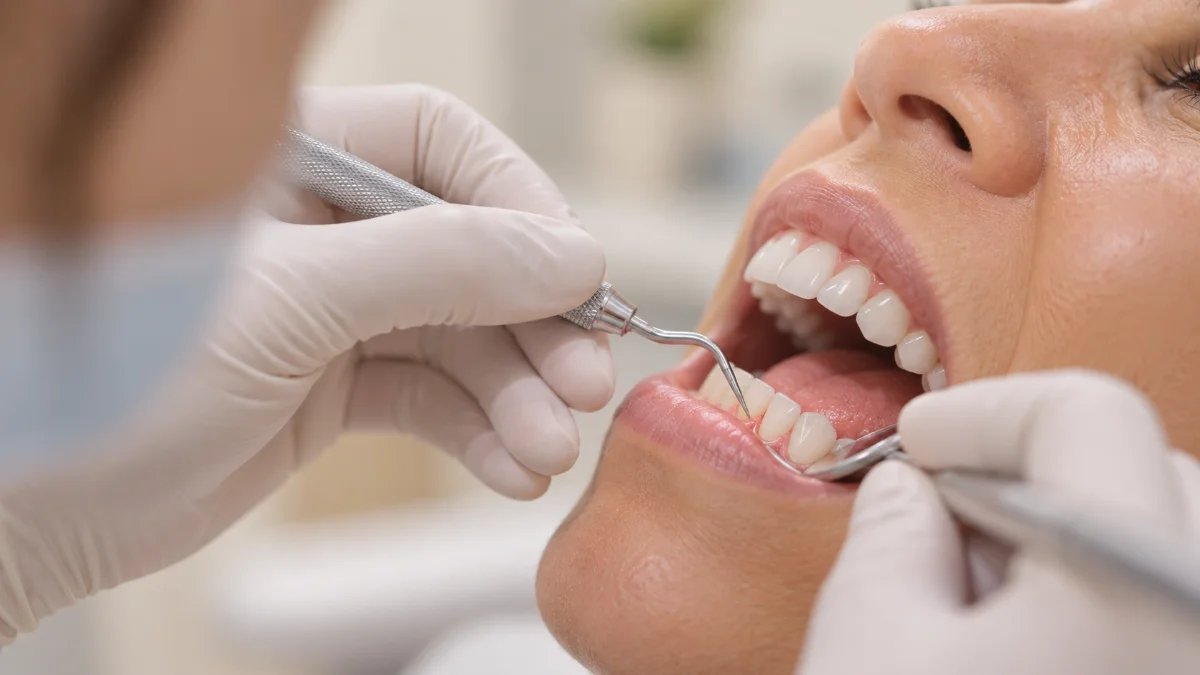
Frank re-measuring gum pockets at a recheck visit

Gum disease is managed, not cured. The pockets that remain after treatment are where bacteria return, and where breath comes from.

Why pockets matter for breath

Healthy gums measure 1 to 3 millimeters around each tooth. Pockets deeper than 4 millimeters, or any bone loss on X-rays, mean infection has been below the gumline. A deep cleaning removes the tartar and bacteria from those root surfaces so gums can tighten. But where bone was lost, pockets rarely close completely, and bacteria recolonize them in roughly 90 days. The sulfur compounds those bacteria produce are what you smell.

The six-week recheck

About six weeks after a deep cleaning, Frank re-measures every pocket and compares it to your baseline. Pockets that shrank are healing. Pockets that did not are where bacteria are still active, and those get extra attention. If breath came back before that recheck, call and we will move it up.

Why maintenance is every three to four months

After gum treatment, a regular twice-a-year cleaning leaves the infection in place for too long between visits. Periodontal maintenance with Frank every three to four months cleans below the gumline before the bacteria win back the pocket. Patients who skip to six months are the ones who call about breath.

What I check when breath returns

If pockets have deepened despite maintenance, our periodontist Dr. Nischit Shah sees patients here at mend for advanced care, using the same records.

  • Pocket depths compared to your last visit
  • Bleeding on probing, the earliest sign of active inflammation
  • Tartar under the gum in specific spots, which shields bacteria
  • Dry mouth from medications, which removes saliva's protection
  • The tongue, where bacteria also collect
  • Any crown or filling edge trapping plaque

The home routine that holds the line

Brush at a 45 degree angle toward the gum with light pressure for two minutes, twice a day. Floss or use a water flosser daily; a water flosser reaches deeper pockets better than string. Clean your tongue. Drink water through the day if medications dry your mouth. None of this replaces maintenance, but it is what keeps the pockets quiet between visits.

Most PPO plans cover deep cleanings and periodontal maintenance. We verify benefits first and give you a written estimate.

Breath back after your deep cleaning?

Call (949) 251-0011 and we will re-measure rather than guess. How deep cleaning and maintenance work is on our deep teeth cleaning page.

Quick answers

Bacteria rebuild in the gum pockets that remain after treatment, usually within about 90 days. It means it is time to re-measure and clean below the gumline again.

Usually not. Gum disease is managed, not cured. Returning breath is the signal for maintenance, not a sign the treatment did not work.

Every three to four months, as periodontal maintenance with Frank.

Yes. Dry mouth, tongue bacteria, sinus or digestive issues. If your gums measure healthy, I will say so and point you to the right physician.

Dr. Monique Sison
Written byDr. Monique Sison, DDS

Owner of mend dental in Irvine and a graduate of the University of the Pacific's Dugoni School of Dentistry. Dr. Sison writes and reviews every article for clinical accuracy.

Meet the team →

Tags:Bad breath after deep cleaningChronic bad breath dentist IrvineHalitosis gum diseasePeriodontal maintenanceDeep cleaning follow-up

Keep reading

All articles →
mend
(949) 251-0011 Book Appointment

Bad breath came back after my deep cleaning: what it means.

Breath that returns a few weeks or months after a deep cleaning usually means bacteria are rebuilding in the pockets below your gums. It is a sign to look again, not proof the treatment failed. At mend dental in Irvine, that look is quick: Frank re-measures, and the numbers tell us what to do next.

Dr. Monique Sison, DDS
Owner & dentist, mend dental
·4 min read

Gum disease is managed, not cured. The pockets that remain after treatment are where bacteria return, and where breath comes from.

Why pockets matter for breath

Healthy gums measure 1 to 3 millimeters around each tooth. Pockets deeper than 4 millimeters, or any bone loss on X-rays, mean infection has been below the gumline. A deep cleaning removes the tartar and bacteria from those root surfaces so gums can tighten. But where bone was lost, pockets rarely close completely, and bacteria recolonize them in roughly 90 days. The sulfur compounds those bacteria produce are what you smell.

The six-week recheck

About six weeks after a deep cleaning, Frank re-measures every pocket and compares it to your baseline. Pockets that shrank are healing. Pockets that did not are where bacteria are still active, and those get extra attention. If breath came back before that recheck, call and we will move it up.

Why maintenance is every three to four months

After gum treatment, a regular twice-a-year cleaning leaves the infection in place for too long between visits. Periodontal maintenance with Frank every three to four months cleans below the gumline before the bacteria win back the pocket. Patients who skip to six months are the ones who call about breath.

What I check when breath returns

If pockets have deepened despite maintenance, our periodontist Dr. Nischit Shah sees patients here at mend for advanced care, using the same records.

  • Pocket depths compared to your last visit
  • Bleeding on probing, the earliest sign of active inflammation
  • Tartar under the gum in specific spots, which shields bacteria
  • Dry mouth from medications, which removes saliva's protection
  • The tongue, where bacteria also collect
  • Any crown or filling edge trapping plaque

The home routine that holds the line

Brush at a 45 degree angle toward the gum with light pressure for two minutes, twice a day. Floss or use a water flosser daily; a water flosser reaches deeper pockets better than string. Clean your tongue. Drink water through the day if medications dry your mouth. None of this replaces maintenance, but it is what keeps the pockets quiet between visits.

Most PPO plans cover deep cleanings and periodontal maintenance. We verify benefits first and give you a written estimate.

Breath back after your deep cleaning?

Call (949) 251-0011 and we will re-measure rather than guess. How deep cleaning and maintenance work is on our deep teeth cleaning page.

Quick answers

{{ f.a }}

Written byDr. Monique Sison, DDS

Owner of mend dental in Irvine and a graduate of the University of the Pacific's Dugoni School of Dentistry. Dr. Sison writes and reviews every article for clinical accuracy.

Meet the team →

Tags:{{ tg }}

Keep reading

All articles →