
mend
(949) 251-0011 Book Appointment

How long do dental crowns last, and when I recommend replacing one.

Well-made dental crowns often last many years with normal home care and regular checkups. How long yours lasts depends on your bite, grinding habits, decay at the edge of the crown, and the condition of the tooth underneath.

Dr. Monique SisonDr. Monique Sison, DDS
Owner & dentist, mend dental
·4 min read
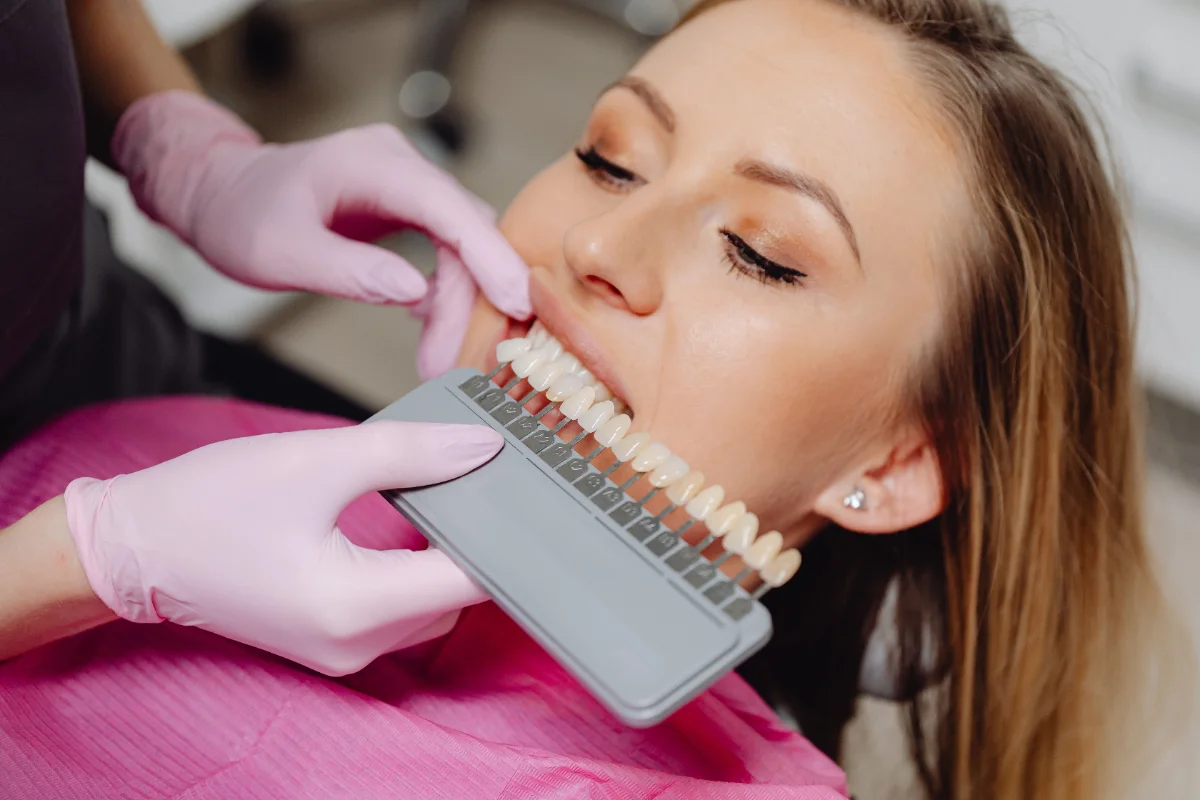
Ceramic crown being checked against a shade guide

At mend in Irvine, I check every crown at each exam so small problems stay small, and I only recommend replacement when watching is no longer protecting the tooth.

What a crown is supposed to do

A crown covers a cracked, worn, or heavily filled tooth so it is strong again and looks natural. I recommend one when a filling or onlay is not enough to hold the tooth together. Common reasons include a crack that can spread under chewing pressure, a tooth after root canal treatment, a large or failing filling with thin walls left, or a worn and broken-down tooth.

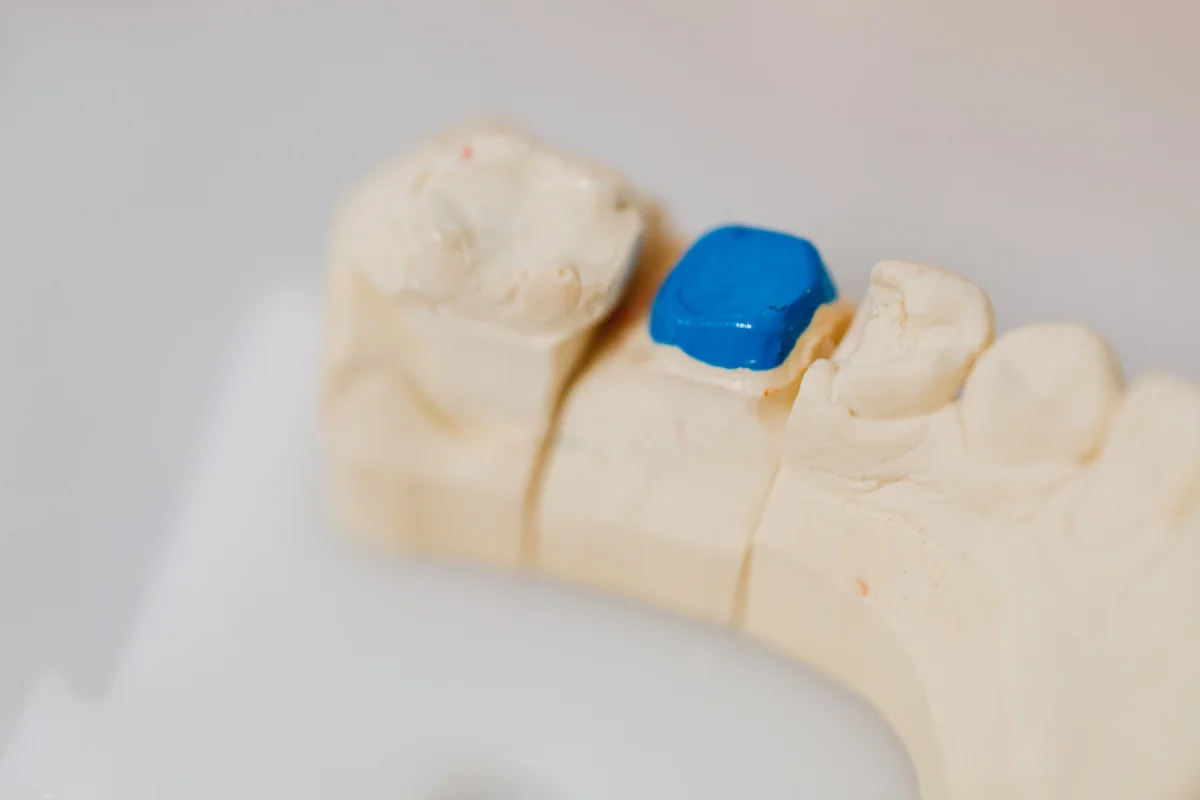
We use metal-free ceramic crowns, shade-matched in natural light, and scanned digitally with an iTero Lumina so there are no impression trays. Most crown work takes two visits about two weeks apart.

What I watch for at your exams

Longevity is not a fixed number on a calendar. At each visit I look for:

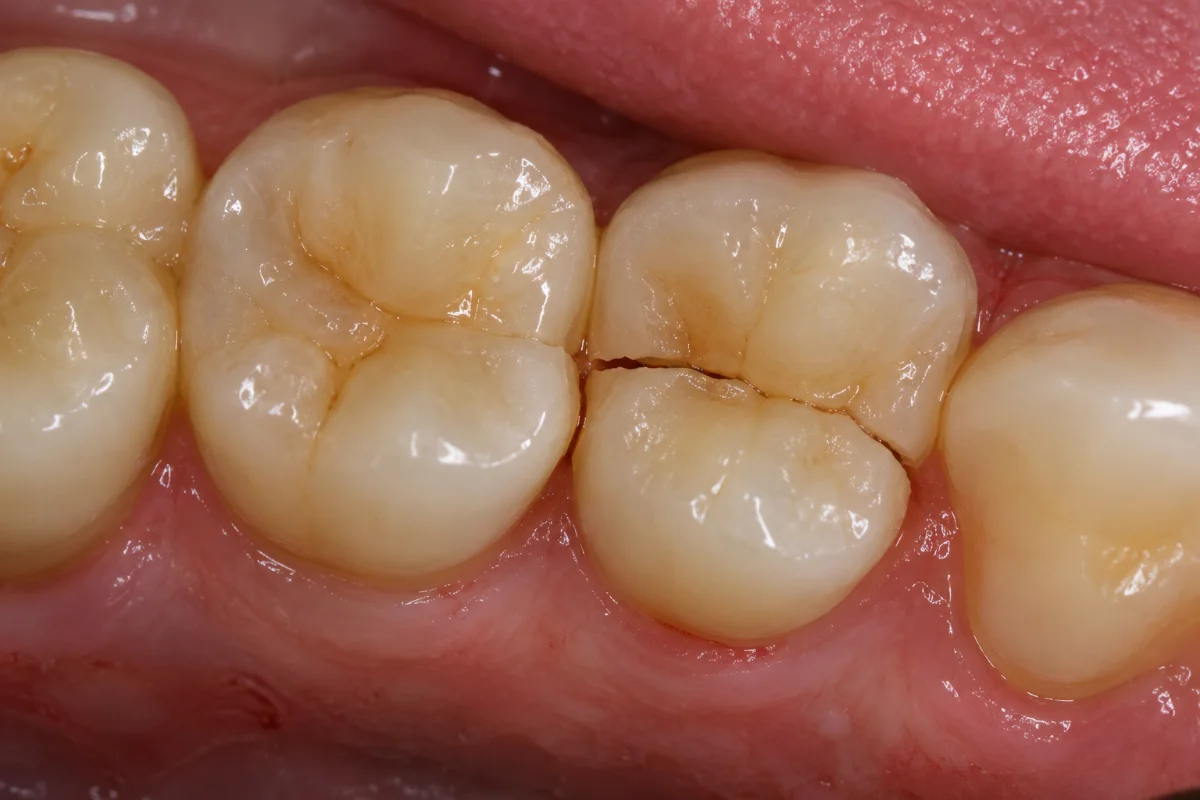
  • Leakage or decay at the margin where crown meets tooth
  • A crack in the ceramic or in the tooth under it
  • Gum changes around the crown
  • Bite wear, especially if you grind
  • Fit and comfort changes you notice when chewing
  • X-ray findings that show a problem starting under the restoration

If everything looks sealed and stable, we leave it alone. A crown that is doing its job does not need to be replaced on a schedule.

When watching is fine

Mild wear on the chewing surface, a small cosmetic chip that does not affect the seal, or sensitivity that settles after a bite adjustment can often be monitored. I will show you what I see and explain why observation is safer than jumping to a new crown.

Good home care matters. Brushing, cleaning along the gumline, and keeping your regular exams help a crown last. If you grind, we can talk about protecting the restoration so nighttime force does not shorten its life.

When I recommend replacing a crown

I recommend replacement when the seal is failing, decay has reached the tooth underneath, the crown is cracked or loose, or the tooth itself is at risk of breaking. Waiting too long in those cases can turn a straightforward crown into a larger problem, including losing the tooth.

If the tooth can still be saved, we plan a new crown the same careful way: numb and reshape as needed, digital scan, temporary protection, then fit and bond the final ceramic. If too little healthy tooth remains, we talk about other restorative options honestly, including whether an onlay was ever possible or whether the tooth needs a different path.

You get a written estimate before we start. Most PPO plans cover a portion of crowns. We verify benefits first, and payment plans are available through Sunbit, Cherry and HFD.

Crown feels different or looks dark at the edge?

Call (949) 251-0011. We will examine it, show you what we see, and recommend watching or replacing without upselling. How crowns are made here is on our dental crowns page.

Quick answers

Often many years with good home care and regular exams. It depends on your bite, grinding, decay at the margin and the tooth underneath, not a fixed number.

A dark line or decay at the edge, a crack, looseness, or new sensitivity when chewing. We check every crown at each exam and show you.

A small cosmetic chip that does not affect the seal can often be monitored. A crack that breaks the seal needs attention.

Yes. If you grind, we discuss protecting the restoration so nighttime force does not wear it down.

Dr. Monique Sison
Written byDr. Monique Sison, DDS

Owner of mend dental in Irvine and a graduate of the University of the Pacific's Dugoni School of Dentistry. Dr. Sison writes and reviews every article for clinical accuracy.

Meet the team →
Tags:How long do crowns lastDental crown replacementDental crowns IrvineCrown margin decayCeramic crown

Keep reading

All articles →
mend
(949) 251-0011 Book Appointment

How long do dental crowns last, and when I recommend replacing one.

Well-made dental crowns often last many years with normal home care and regular checkups. How long yours lasts depends on your bite, grinding habits, decay at the edge of the crown, and the condition of the tooth underneath.

Dr. Monique Sison, DDS
Owner & dentist, mend dental
·4 min read

At mend in Irvine, I check every crown at each exam so small problems stay small, and I only recommend replacement when watching is no longer protecting the tooth.

What a crown is supposed to do

A crown covers a cracked, worn, or heavily filled tooth so it is strong again and looks natural. I recommend one when a filling or onlay is not enough to hold the tooth together. Common reasons include a crack that can spread under chewing pressure, a tooth after root canal treatment, a large or failing filling with thin walls left, or a worn and broken-down tooth.

We use metal-free ceramic crowns, shade-matched in natural light, and scanned digitally with an iTero Lumina so there are no impression trays. Most crown work takes two visits about two weeks apart.

What I watch for at your exams

Longevity is not a fixed number on a calendar. At each visit I look for:

  • Leakage or decay at the margin where crown meets tooth
  • A crack in the ceramic or in the tooth under it
  • Gum changes around the crown
  • Bite wear, especially if you grind
  • Fit and comfort changes you notice when chewing
  • X-ray findings that show a problem starting under the restoration

If everything looks sealed and stable, we leave it alone. A crown that is doing its job does not need to be replaced on a schedule.

When watching is fine

Mild wear on the chewing surface, a small cosmetic chip that does not affect the seal, or sensitivity that settles after a bite adjustment can often be monitored. I will show you what I see and explain why observation is safer than jumping to a new crown.

Good home care matters. Brushing, cleaning along the gumline, and keeping your regular exams help a crown last. If you grind, we can talk about protecting the restoration so nighttime force does not shorten its life.

When I recommend replacing a crown

I recommend replacement when the seal is failing, decay has reached the tooth underneath, the crown is cracked or loose, or the tooth itself is at risk of breaking. Waiting too long in those cases can turn a straightforward crown into a larger problem, including losing the tooth.

If the tooth can still be saved, we plan a new crown the same careful way: numb and reshape as needed, digital scan, temporary protection, then fit and bond the final ceramic. If too little healthy tooth remains, we talk about other restorative options honestly, including whether an onlay was ever possible or whether the tooth needs a different path.

You get a written estimate before we start. Most PPO plans cover a portion of crowns. We verify benefits first, and payment plans are available through Sunbit, Cherry and HFD.

Crown feels different or looks dark at the edge?

Call (949) 251-0011. We will examine it, show you what we see, and recommend watching or replacing without upselling. How crowns are made here is on our dental crowns page.

Quick answers

{{ f.a }}

Written byDr. Monique Sison, DDS

Owner of mend dental in Irvine and a graduate of the University of the Pacific's Dugoni School of Dentistry. Dr. Sison writes and reviews every article for clinical accuracy.

Meet the team →

Tags:{{ tg }}

Keep reading

All articles →