
mend
(949) 251-0011 Book Appointment

Dark triangles between your teeth near the gums: why they show up and what I can do at mend.

Patients describe them as small dark spaces between the front teeth, right at the gumline, that catch food and stain and show in photos. They appear when the gum that used to fill that space has pulled back. At mend dental in Irvine, I treat the reason the gum receded before I close the space, because filling a triangle over active gum disease does not last.

Dr. Monique SisonDr. Monique Sison, DDS
Owner & dentist, mend dental
·4 min read
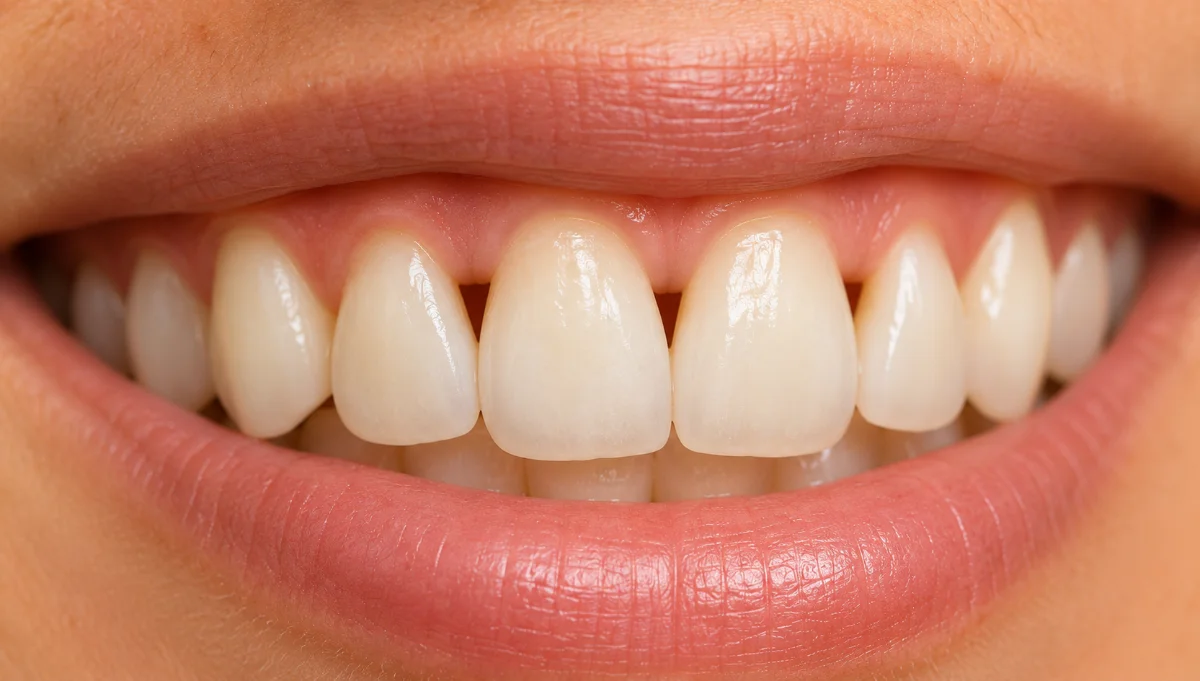
Close-up of front teeth with small dark spaces near the gumline

The triangle is a gap where gum used to be. The question is why the gum left.

Why they appear

The gum between two teeth is held up by the bone underneath it. When bone is lost, most often from gum disease, the gum follows and a dark space opens. Tooth shape matters too: triangular front teeth leave more room near the gum than square ones. And sometimes the triangles appear after gum treatment, when inflamed, puffy gums shrink back to healthy size and reveal space that was already there.

What I check first

Frank's gum measurements from your cleanings, which tell me whether pockets are present and whether disease is active. X-rays and a 3D scan, which show bone levels between the teeth. If gum disease is active, that comes first. Cosmetic work on an unstable foundation is a waste of your money.

Treat the cause first

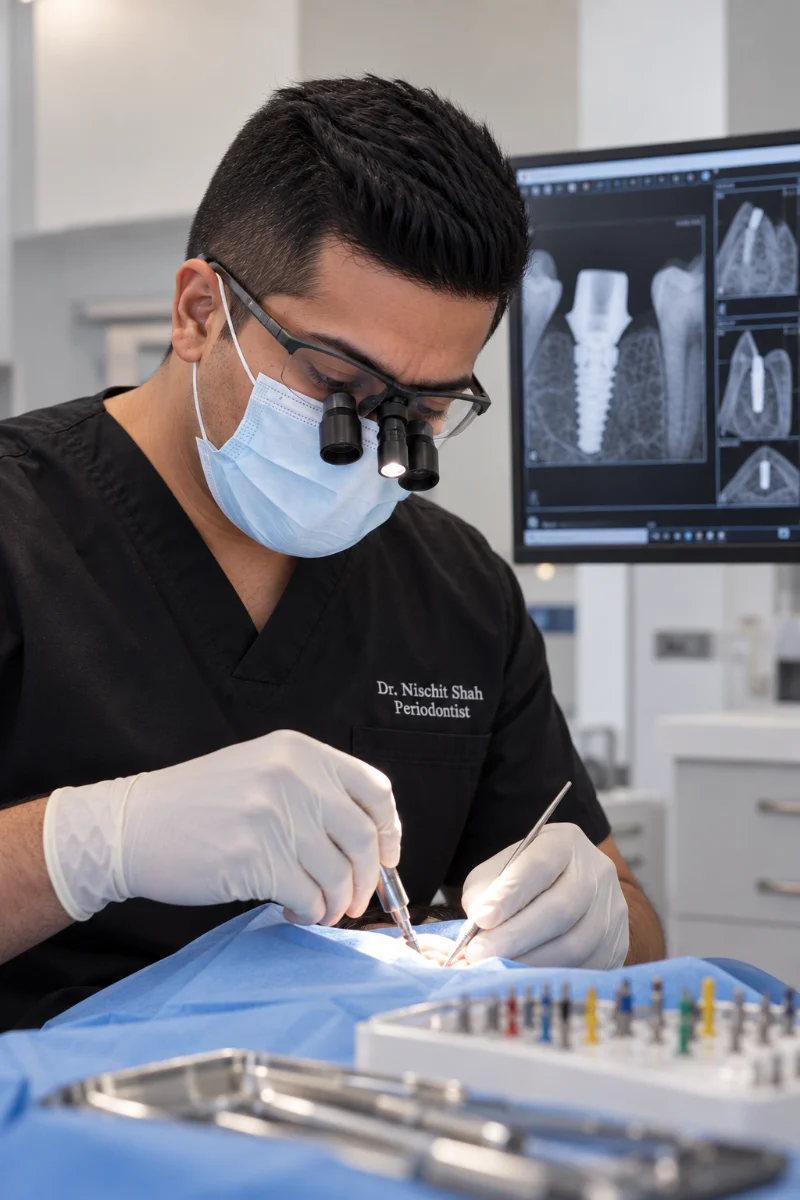
If pockets are deeper than 3 millimeters, a deep cleaning and periodontal maintenance stabilize the gums. When bone loss is advanced or grafting might help, our periodontist Dr. Nischit Shah sees patients here at mend, on the same records. Once the gums are healthy and stable, we talk about the space.

Closing the space

Cosmetic bonding is usually the first choice: tooth-colored composite shaped by hand onto the sides of the teeth to narrow the triangle. Often one visit, usually no numbing, and it can cover an exposed root that was sensitive. Veneers or crowns fit better when several front teeth need reshaping at once or there is other damage. Watching is fine when the triangles are small, the gums are healthy, and they do not bother you. I will tell you which I would choose.

Living with them

Clean the spaces daily with floss or a water flosser; they trap plaque. Composite bonding picks up stain from coffee, tea and wine over the years and usually needs a polish or touch-up every five to ten years. That is a maintenance cost, not a failure.

Spaces showing near your gums?

Call (949) 251-0011. We will measure first, then show you what closing them would involve. How bonding works is on our cosmetic bonding page.

Quick answers

Not necessarily. They mean bone and gum between the teeth have receded. If gum disease is active we treat it, which protects the teeth.

Lost gum and bone between teeth do not regrow on their own. Treatment stops further loss and bonding can close the space.

Usually cosmetic bonding, shaped by hand onto the sides of the teeth. Veneers or crowns for several teeth at once. Sometimes watching is fine.

Gum treatment usually is in part. Cosmetic bonding to close the space usually is not. We tell you before anything starts.

Dr. Monique Sison
Written byDr. Monique Sison, DDS

Owner of mend dental in Irvine and a graduate of the University of the Pacific's Dugoni School of Dentistry. Dr. Sison writes and reviews every article for clinical accuracy.

Meet the team →

Tags:Black triangles between teethDark triangles teethGum recession front teethCosmetic bonding IrvineGaps near gums

Keep reading

All articles →
mend
(949) 251-0011 Book Appointment

Dark triangles between your teeth near the gums: why they show up and what I can do at mend.

Patients describe them as small dark spaces between the front teeth, right at the gumline, that catch food and stain and show in photos. They appear when the gum that used to fill that space has pulled back. At mend dental in Irvine, I treat the reason the gum receded before I close the space, because filling a triangle over active gum disease does not last.

Dr. Monique Sison, DDS
Owner & dentist, mend dental
·4 min read

The triangle is a gap where gum used to be. The question is why the gum left.

Why they appear

The gum between two teeth is held up by the bone underneath it. When bone is lost, most often from gum disease, the gum follows and a dark space opens. Tooth shape matters too: triangular front teeth leave more room near the gum than square ones. And sometimes the triangles appear after gum treatment, when inflamed, puffy gums shrink back to healthy size and reveal space that was already there.

What I check first

Frank's gum measurements from your cleanings, which tell me whether pockets are present and whether disease is active. X-rays and a 3D scan, which show bone levels between the teeth. If gum disease is active, that comes first. Cosmetic work on an unstable foundation is a waste of your money.

Treat the cause first

If pockets are deeper than 3 millimeters, a deep cleaning and periodontal maintenance stabilize the gums. When bone loss is advanced or grafting might help, our periodontist Dr. Nischit Shah sees patients here at mend, on the same records. Once the gums are healthy and stable, we talk about the space.

Closing the space

Cosmetic bonding is usually the first choice: tooth-colored composite shaped by hand onto the sides of the teeth to narrow the triangle. Often one visit, usually no numbing, and it can cover an exposed root that was sensitive. Veneers or crowns fit better when several front teeth need reshaping at once or there is other damage. Watching is fine when the triangles are small, the gums are healthy, and they do not bother you. I will tell you which I would choose.

Living with them

Clean the spaces daily with floss or a water flosser; they trap plaque. Composite bonding picks up stain from coffee, tea and wine over the years and usually needs a polish or touch-up every five to ten years. That is a maintenance cost, not a failure.

Spaces showing near your gums?

Call (949) 251-0011. We will measure first, then show you what closing them would involve. How bonding works is on our cosmetic bonding page.

Quick answers

{{ f.a }}

Written byDr. Monique Sison, DDS

Owner of mend dental in Irvine and a graduate of the University of the Pacific's Dugoni School of Dentistry. Dr. Sison writes and reviews every article for clinical accuracy.

Meet the team →
Tags:{{ tg }}

Keep reading

All articles →