
mend
(949) 251-0011 Book Appointment

Electric or manual toothbrush? What I recommend at mend.

The honest short answer, from almost every cleaning at mend dental in Irvine: technique matters more than the brush, but an electric brush helps most people get the technique right without thinking about it. If your gums bleed or your hands are stiff, go electric. If your gums are healthy and your technique is good, a soft manual brush is fine.

Dr. Monique SisonDr. Monique Sison, DDS
Owner & dentist, mend dental
·4 min read
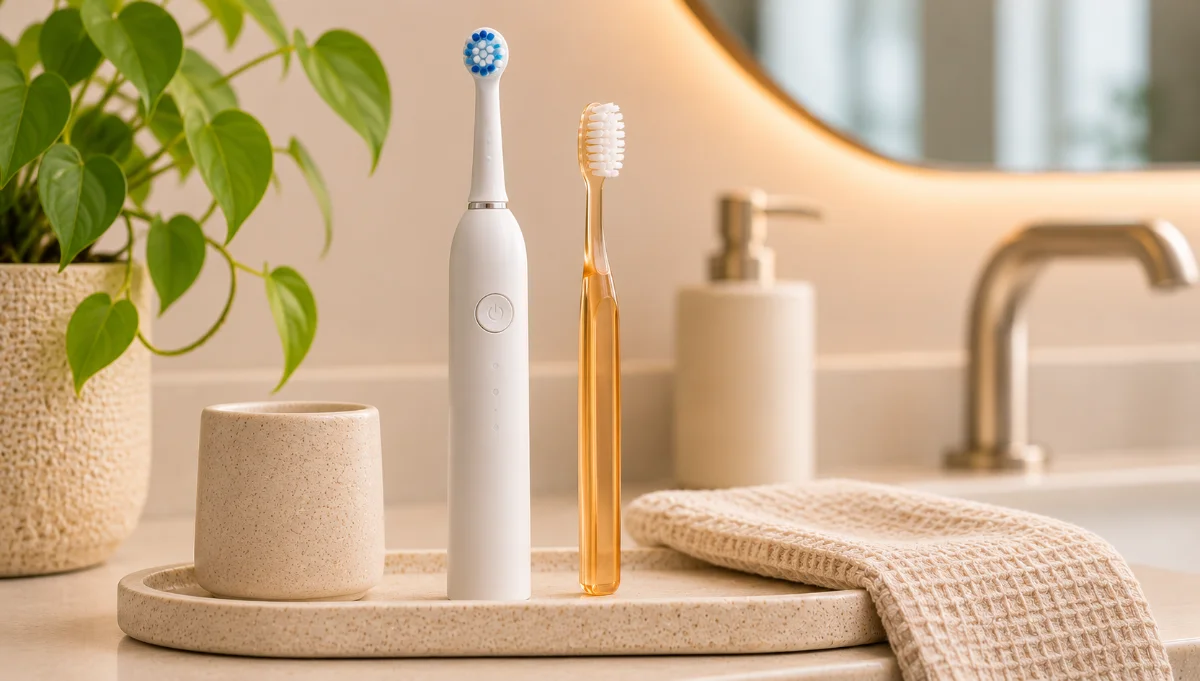
Electric and manual toothbrush side by side

The brush does not clean your teeth. The bristles touching the right spot with the right pressure for long enough does.

What actually removes plaque

Soft bristles, aimed where the tooth meets the gum at about a 45 degree angle, with light pressure, for two minutes, twice a day. That is the whole formula. Most people miss on three of the five: they aim at the tooth instead of the gumline, press too hard, and stop at 45 seconds. An electric brush fixes two of those automatically with a built-in timer and a pressure sensor.

When I lean electric

  • Bleeding or puffy gums; the consistent gentle motion calms gum inflammation faster than most people manage by hand
  • After a deep cleaning or during periodontal maintenance, when gumline plaque control decides whether pockets stay quiet
  • Crowns and bridges with margins at the gumline, where plaque collects and a brush needs to reach consistently
  • Stiff or arthritic hands; the brush does the motion, you just guide it
  • Caring for an aging parent, where a timer and a simple grip help both of you

When a manual brush is fine

Healthy gums that do not bleed, good technique Frank has confirmed at your cleaning, soft bristles, and a full two minutes. Also travel. A manual brush in a bag is better than an electric one left at home.

The mistake that worries me more

Scrubbing hard. Hard brushing with a stiff brush does not clean better. It wears enamel at the gumline and pushes gums back, which exposes roots that are softer and more sensitive. Much of the recession I see in careful brushers comes from pressure, not neglect. An electric brush with a pressure sensor is the simplest fix for a heavy hand.

Small habits that matter

  • Floss or water floss before you brush so the fluoride in toothpaste reaches between teeth
  • Replace the brush or head when bristles splay, usually every three months
  • Spit, do not rinse, so fluoride stays on the teeth longer
  • Brush your tongue; it holds bacteria that cause breath

How we tell if your brushing is working

Frank measures your gums and notes where plaque and bleeding show up. Bleeding at the gumline means the brush is not reaching there. Plaque on the tongue side of the lower front teeth means those are being skipped. He shows you the spots, not a generic chart, and suggests whichever brush fixes your pattern.

Want Frank to check your technique?

Ask at your next cleaning, or call (949) 251-0011. What a cleaning involves is on our cleanings and exams page.

Quick answers

It removes surface stain a little better than most people manage by hand, but it does not change the color of the tooth itself. Whitening does that.

Both work well when used correctly. The timer and pressure sensor matter more than the motion type.

Yes, with a soft head sized for them and supervision on pressure. Many kids brush longer with the timer.

When the bristles splay, usually about every three months.

Dr. Monique Sison
Written byDr. Monique Sison, DDS

Owner of mend dental in Irvine and a graduate of the University of the Pacific's Dugoni School of Dentistry. Dr. Sison writes and reviews every article for clinical accuracy.

Meet the team →
Tags:Electric vs manual toothbrushBest toothbrush for gumsToothbrush for arthritisBrushing techniqueDental cleaning Irvine

Keep reading

All articles →
mend
(949) 251-0011 Book Appointment

Electric or manual toothbrush? What I recommend at mend.

The honest short answer, from almost every cleaning at mend dental in Irvine: technique matters more than the brush, but an electric brush helps most people get the technique right without thinking about it. If your gums bleed or your hands are stiff, go electric. If your gums are healthy and your technique is good, a soft manual brush is fine.

Dr. Monique Sison, DDS
Owner & dentist, mend dental
·4 min read

The brush does not clean your teeth. The bristles touching the right spot with the right pressure for long enough does.

What actually removes plaque

Soft bristles, aimed where the tooth meets the gum at about a 45 degree angle, with light pressure, for two minutes, twice a day. That is the whole formula. Most people miss on three of the five: they aim at the tooth instead of the gumline, press too hard, and stop at 45 seconds. An electric brush fixes two of those automatically with a built-in timer and a pressure sensor.

When I lean electric

  • Bleeding or puffy gums; the consistent gentle motion calms gum inflammation faster than most people manage by hand
  • After a deep cleaning or during periodontal maintenance, when gumline plaque control decides whether pockets stay quiet
  • Crowns and bridges with margins at the gumline, where plaque collects and a brush needs to reach consistently
  • Stiff or arthritic hands; the brush does the motion, you just guide it
  • Caring for an aging parent, where a timer and a simple grip help both of you

When a manual brush is fine

Healthy gums that do not bleed, good technique Frank has confirmed at your cleaning, soft bristles, and a full two minutes. Also travel. A manual brush in a bag is better than an electric one left at home.

The mistake that worries me more

Scrubbing hard. Hard brushing with a stiff brush does not clean better. It wears enamel at the gumline and pushes gums back, which exposes roots that are softer and more sensitive. Much of the recession I see in careful brushers comes from pressure, not neglect. An electric brush with a pressure sensor is the simplest fix for a heavy hand.

Small habits that matter

  • Floss or water floss before you brush so the fluoride in toothpaste reaches between teeth
  • Replace the brush or head when bristles splay, usually every three months
  • Spit, do not rinse, so fluoride stays on the teeth longer
  • Brush your tongue; it holds bacteria that cause breath

How we tell if your brushing is working

Frank measures your gums and notes where plaque and bleeding show up. Bleeding at the gumline means the brush is not reaching there. Plaque on the tongue side of the lower front teeth means those are being skipped. He shows you the spots, not a generic chart, and suggests whichever brush fixes your pattern.

Want Frank to check your technique?

Ask at your next cleaning, or call (949) 251-0011. What a cleaning involves is on our cleanings and exams page.

Quick answers

{{ f.a }}

Written byDr. Monique Sison, DDS

Owner of mend dental in Irvine and a graduate of the University of the Pacific's Dugoni School of Dentistry. Dr. Sison writes and reviews every article for clinical accuracy.

Meet the team →

Tags:{{ tg }}

Keep reading

All articles →