
The best tool is the one you will use every day, aimed at the right places.
What each tool actually removes
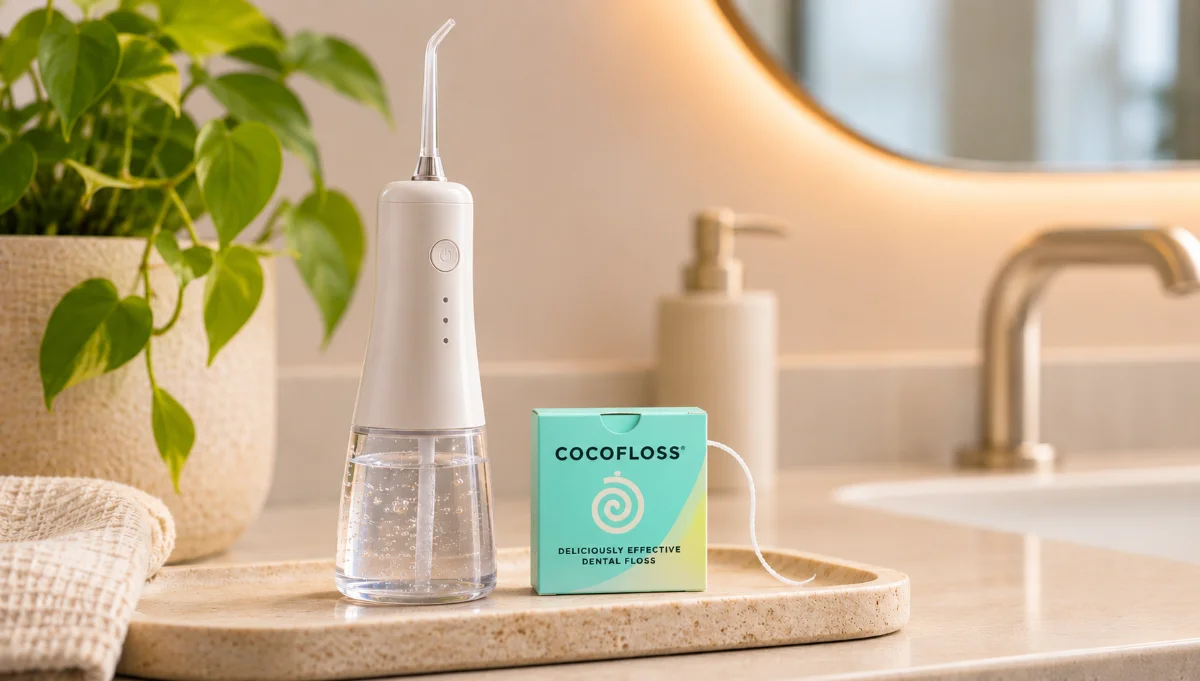
String floss scrapes. It physically wipes plaque off the two tooth surfaces that face each other between teeth, where a brush cannot go. A water flosser flushes. It pushes a stream of water that clears debris and loose plaque from along the gumline, inside gum pockets, and under bridges. It does not scrape a tight contact as well as string does.
When I lean toward a water flosser
For these, a water flosser used daily beats string floss used never.
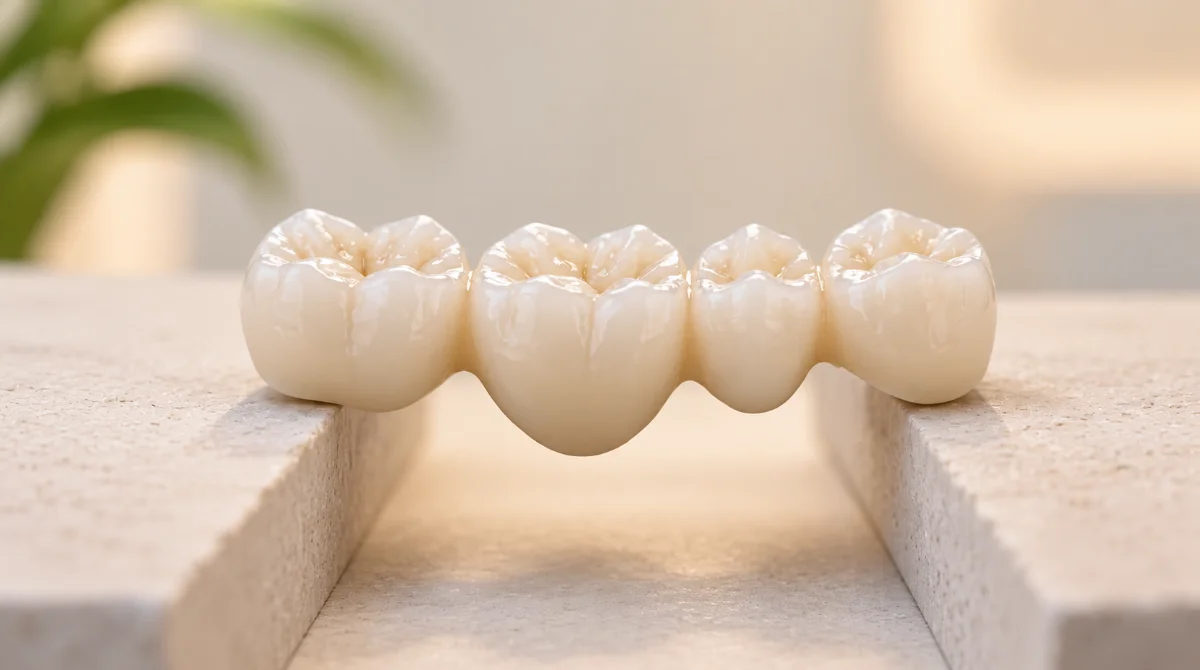
- Bridges: you cannot floss a bridge the normal way because the teeth are joined, and water reaches under the false tooth
- Crowns and implants, where the margin at the gumline collects plaque
- Gum pockets after a deep cleaning or during periodontal maintenance, where string cannot reach the bottom
- Stiff or arthritic hands that make wrapping floss around fingers painful or impossible
- Anyone who has not flossed in years and needs a habit that will actually stick
When string floss or floss picks still win
If you have both healthy gums and a bridge, you may end up using both. That is fine.
- Tight contacts between healthy teeth, where scraping matters more than flushing
- Healthy gums with no pockets or dental work
- Kids and teens learning the habit; picks are easier than string for small hands
- Travel, where a pick fits in a pocket
Floss threaders for bridges
If you prefer string, a floss threader lets you pull floss under the false tooth of a bridge and along each anchor crown. Once a day is enough. Frank will show you at your cleaning; it takes about a minute to learn.
Pairing with an electric toothbrush
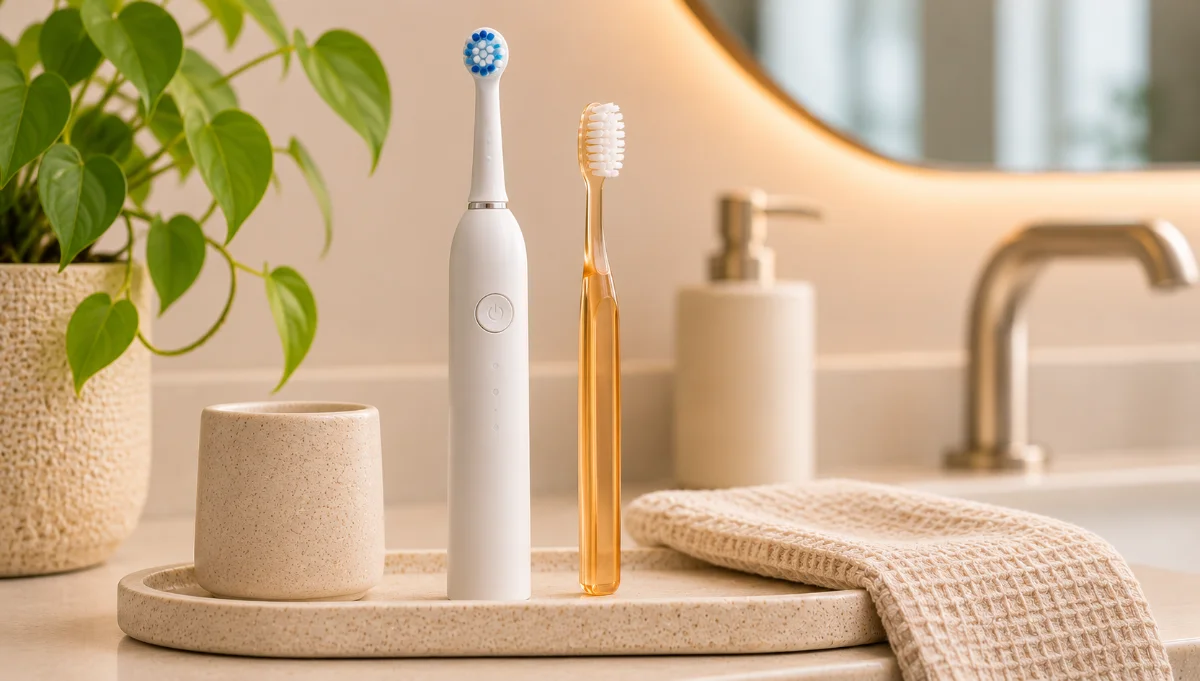
For stiff hands, an electric toothbrush and a water flosser together remove most of the manual work. The brush does the motion, the flosser does the reach. This is the setup I suggest most often for patients caring for an aging parent, and for the parents themselves.
Signs your routine is not working
Gums that bleed when you brush or floss. Food trapping under a bridge. Breath that returns quickly after brushing. Any of these means the plaque is winning somewhere, and it is worth adjusting the tool or the technique at your next cleaning.
What we check at your cleaning
Frank measures your gums, looks at where plaque is collecting, and tells you specifically which spots your routine is missing. Then he suggests the tool for those spots. It is a tailored plan, not a lecture about string floss.
Not sure which to use?
Ask Frank at your next cleaning, or call (949) 251-0011. What a cleaning involves is on our cleanings and exams page.
Quick answers

Owner of mend dental in Irvine and a graduate of the University of the Pacific's Dugoni School of Dentistry. Dr. Sison writes and reviews every article for clinical accuracy.
Meet the team →