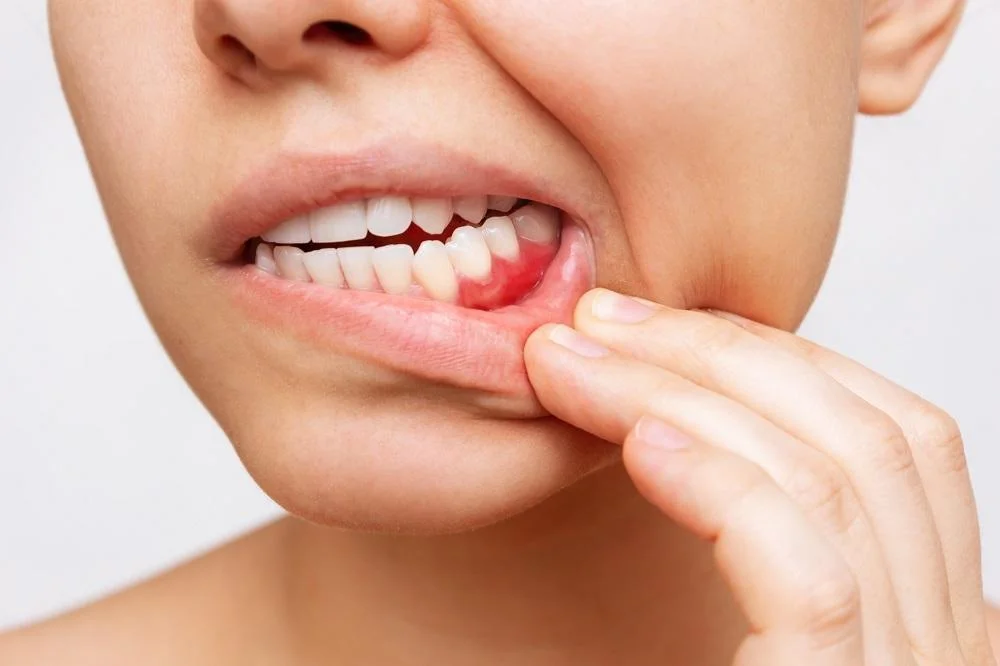


Here's the thing I want you to hear first: a cavity is not a report card on your character. It's chemistry, and the chemistry changes as life does. Let me walk you through what actually happened.
Cavities don't hurt until they're big
Enamel has no nerves. Decay can sit between two teeth for a year or two without a single symptom, which is exactly why we take X-rays. By the time a tooth aches, the cavity is usually deep. Catching it early is the whole point of a checkup, and it's why the fix is small now instead of a crown later.
Your mouth changed, even if your habits didn't
Dry mouth is the quiet one. New medications, allergy pills, antidepressants, blood pressure drugs and simply getting older all reduce saliva, and saliva is what neutralizes acid and repairs enamel. Same brushing, less protection.
The spots a toothbrush can't reach
Most adult cavities start between the teeth or along the edge of an old filling. A brush doesn't get there. Floss does. If you've never had a cavity and suddenly have one, the odds are good it's in one of those two places.
Old fillings age
A filling placed 15 years ago has a seal that's been through a few million chews. When the edge opens up, bacteria slip underneath and decay starts where you can't see it. That's not a new bad habit. That's wear.
What I'll actually recommend
Sometimes nothing yet. Very early enamel changes can often be watched, strengthened with fluoride, and re-checked in six months. If it does need a filling, we'll keep it as small as the decay, and no bigger. Either way you'll see the X-ray, and I'll show you exactly what I'm looking at.
You didn't fail. Your teeth just need a plan.
A first cavity as an adult is common and very fixable. What matters is finding it early and treating only what needs treating. If it's been a while, our cleanings and exams page explains what a checkup at mend looks like.
Quick answers

Owner of mend dental in Irvine and a graduate of the University of the Pacific's Dugoni School of Dentistry. Dr. Sison writes and reviews every article for clinical accuracy.
Meet the team →