
Most damaged teeth land in the middle: too far gone for a filling, but with plenty of healthy enamel left. A crown would remove all of it. An onlay saves it.
What an onlay actually is
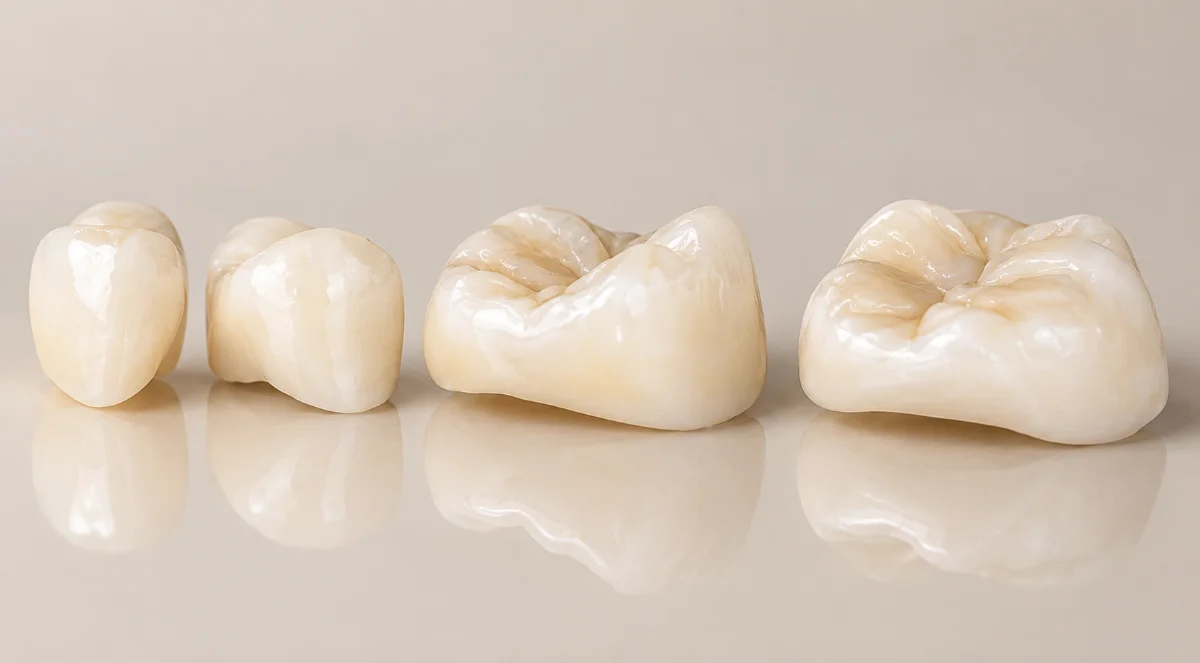
An onlay is a lab-made ceramic piece bonded onto the chewing surface and one or more cusps of a tooth. It replaces the broken or decayed part and becomes part of the tooth. Because it is bonded rather than cemented over a reshaped stump, the healthy walls of your tooth stay yours.
It takes two visits, like a crown: numb and clean the damaged area, a digital scan with the iTero Lumina, a temporary, then bonding the finished ceramic about two weeks later.
When the onlay is the right call
In each of these the damage is real but limited. Cutting the whole tooth down for a crown would throw away enamel that is doing fine.
- A large cavity where a filling would leave the walls thin and brittle
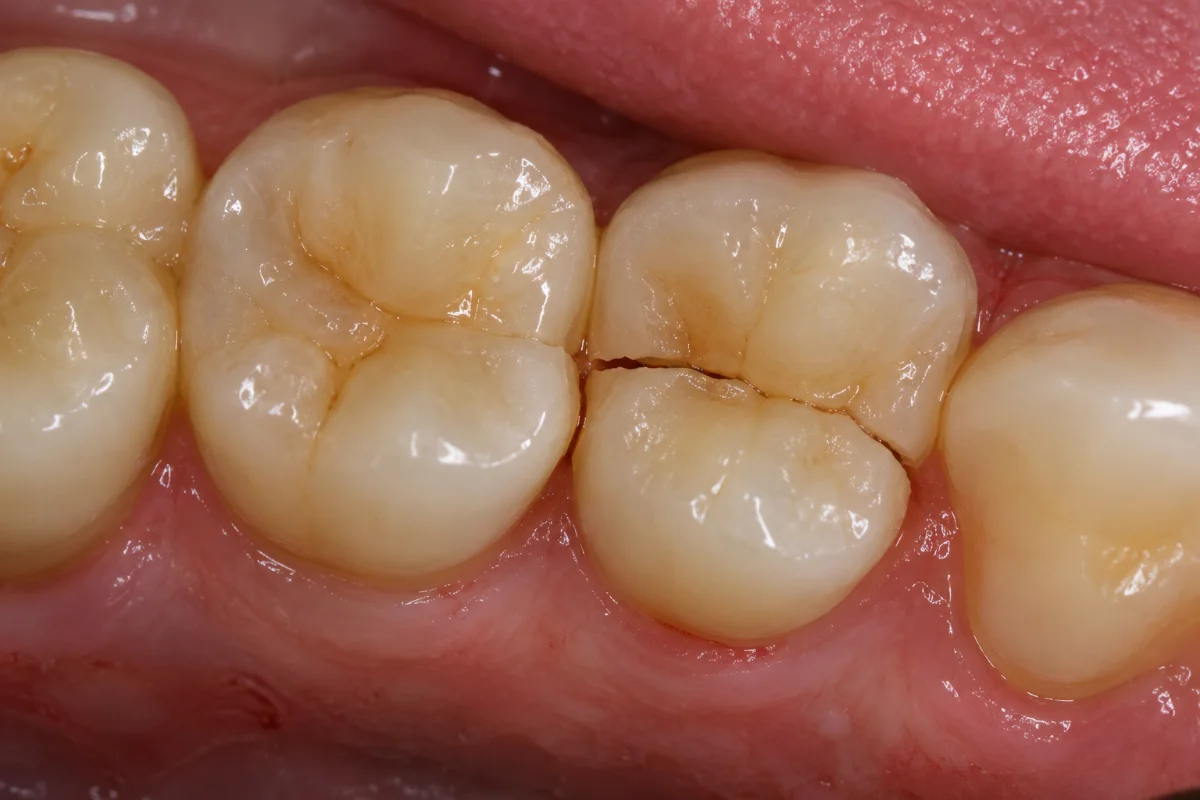
- An old filling that has cracked or leaked, taking part of the tooth with it, while the rest is sound
- A broken cusp that needs something more durable than composite
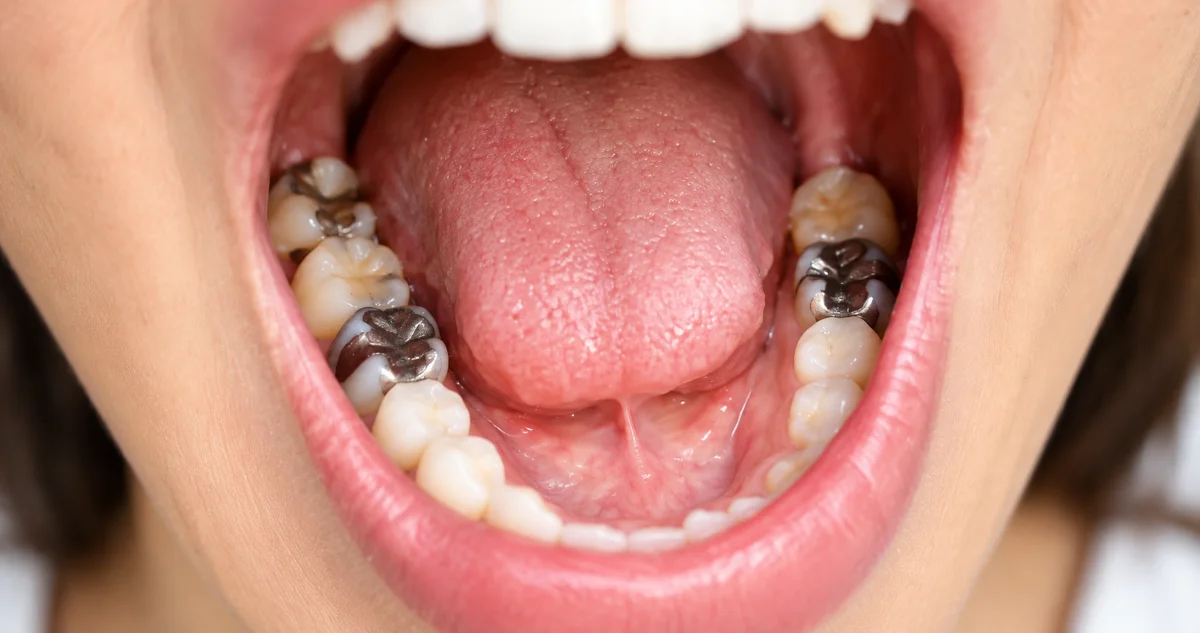
- Worn chewing surfaces from grinding, where the sides of the tooth are still healthy
When a crown is the better choice
A crack that runs through the tooth, a tooth with very little healthy structure left above the gum, or a tooth that has had root canal treatment and become brittle all need full coverage. In those cases the crown protects the tooth from splitting, and an onlay would not have enough sound enamel to bond to.
I show you the scan and the X-ray either way, and I tell you which one I would choose for my own tooth.
Cost and coverage, plainly
Onlays and crowns are priced similarly. Most PPO plans cover a portion of both. We verify your benefits and give you a written estimate before anything starts. Payment plans through Sunbit, Cherry and HFD are available if you want them.
Told you need a crown?
Call (949) 251-0011 and ask whether an onlay would work. We will look at the scan together. More on our dental onlays page.
Quick answers

Owner of mend dental in Irvine and a graduate of the University of the Pacific's Dugoni School of Dentistry. Dr. Sison writes and reviews every article for clinical accuracy.
Meet the team →