
mend
(949) 251-0011 Book Appointment

Veneers vs. bonding: which one fixes a chipped tooth?

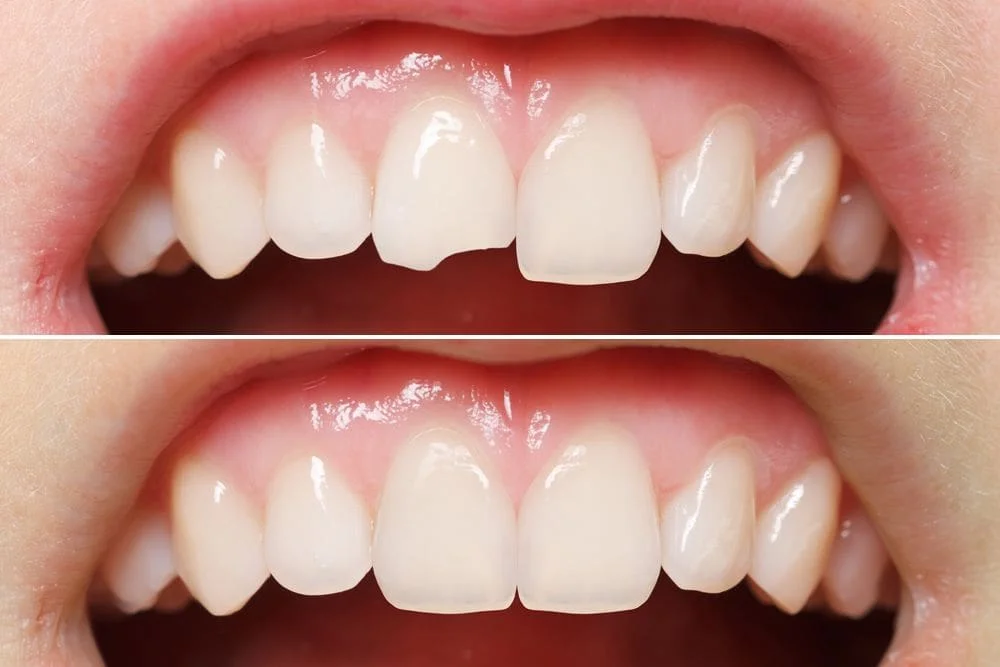
Two very different price points, two very different procedures, and for a single chipped tooth they can look identical on the day you leave. The difference shows up in how much tooth we remove and how the repair ages.

Dr. Monique SisonDr. Monique Sison, DDS
Owner & dentist, mend dental
·5 min read
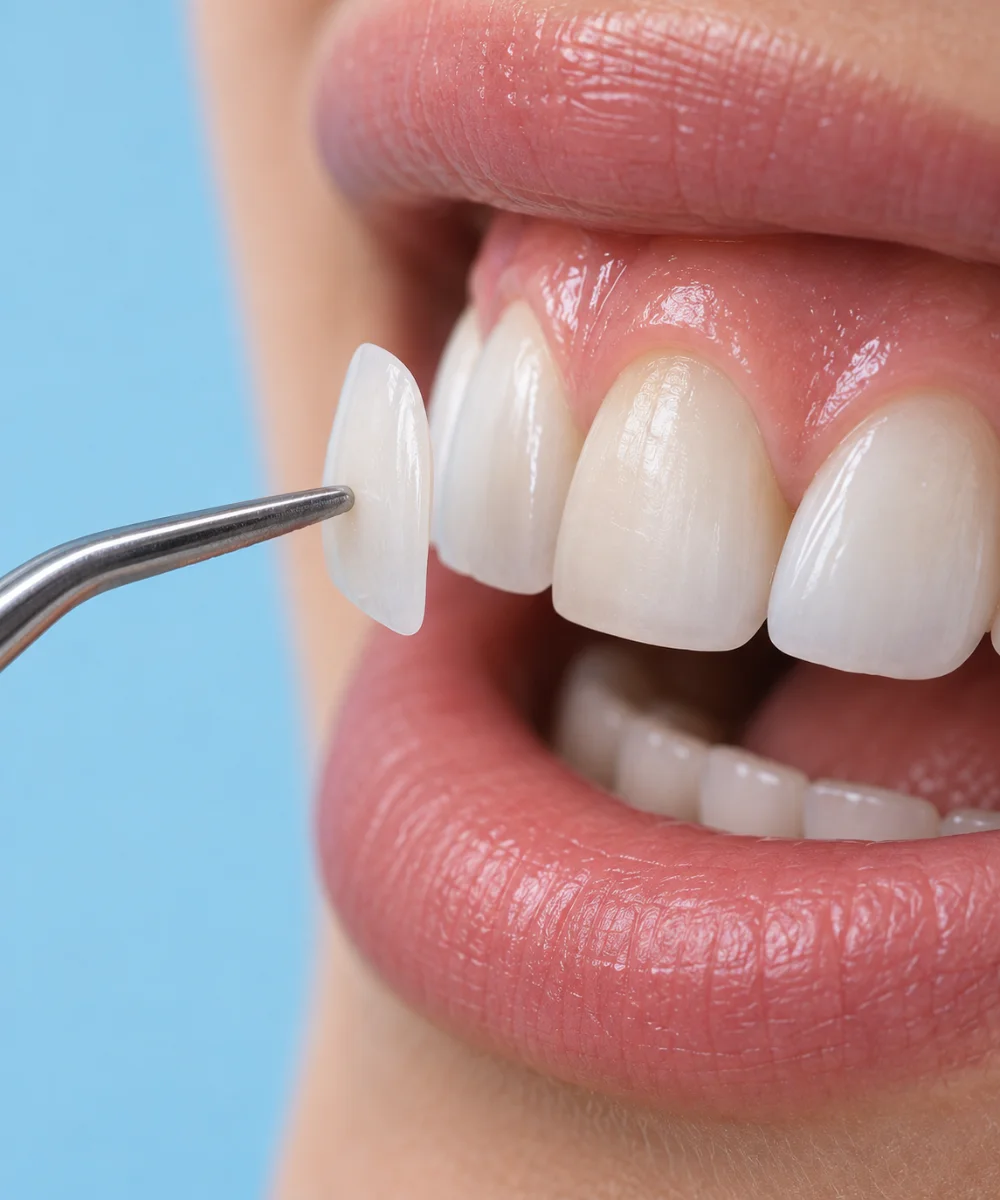
Shade guide held against a front tooth with a porcelain veneer

Bonding is composite resin sculpted directly onto the tooth in one visit. A veneer is a thin porcelain shell made in a lab and bonded over the front of the tooth in two visits. Both can fix a chip. Here is how I decide which one to recommend.

Bonding: fast, conservative, repairable

We roughen the chipped edge, layer tooth-colored composite, shape it, and cure it with a light. Usually no numbing, usually under an hour. Almost no natural tooth is removed, which is why I reach for bonding first on small chips.

The trade-off is material. Composite is softer than porcelain. It can pick up stain from coffee and wine over the years and may need polishing or touching up every five to seven years. When it does chip, it is repaired in the chair, not replaced.

Veneers: strong, stain-resistant, permanent

A veneer covers the whole front surface of the tooth. Porcelain does not stain, holds its polish, and handles biting forces better than composite. For a large chip, a tooth that is also discolored, or several front teeth that need to match, veneers give a more predictable, longer-lasting result.

The trade-off is enamel. To make room for the shell, a thin layer of the front of the tooth is removed. That is permanent, and it is why I do not recommend veneers for a single small chip on an otherwise healthy tooth.

How I choose

Small chip, healthy tooth, good color match: bonding. Large chip, dark or worn tooth, or multiple teeth that need to match: veneers. Chip on a tooth that takes heavy biting force: usually a veneer or, if the damage is deep, a crown.

Cost matters too. Bonding is a fraction of the price of a veneer. If bonding will look good and last, it is the honest recommendation even though it earns the office less.

What both need to last

A night guard if you grind. No opening packages with your teeth. Regular cleanings so the margins stay sealed. Do those three things and bonding lasts many years and veneers can last decades.

Start with the smallest fix that works.

Bring the chip in and we will show you both options on your own scan, with honest pricing for each. See how we approach it on our cosmetic dentistry page.

Quick answers

For a small chip on a healthy tooth, bonding. For a large chip, a discolored tooth, or several teeth that need to match, a veneer.

Typically five to ten years, and it can be polished or touched up in the chair when it wears.

Yes. A thin layer of enamel is removed from the front of the tooth to make room for the porcelain. It is permanent.

Yes. Many patients start with bonding and move to a veneer years later if the repair wears or their goals change.

Dr. Monique Sison
Written byDr. Monique Sison, DDS

Owner of mend dental in Irvine and a graduate of the University of the Pacific's Dugoni School of Dentistry. Dr. Sison writes and reviews every article for clinical accuracy.

Meet the team →

Tags:Veneers vs bondingChipped toothCosmetic bondingPorcelain veneersCosmetic dentist Irvine

Keep reading

All articles →
mend
(949) 251-0011 Book Appointment

Veneers vs. bonding: which one fixes a chipped tooth?

Two very different price points, two very different procedures, and for a single chipped tooth they can look identical on the day you leave. The difference shows up in how much tooth we remove and how the repair ages.

Dr. Monique Sison, DDS
Owner & dentist, mend dental
·5 min read

Bonding is composite resin sculpted directly onto the tooth in one visit. A veneer is a thin porcelain shell made in a lab and bonded over the front of the tooth in two visits. Both can fix a chip. Here is how I decide which one to recommend.

Bonding: fast, conservative, repairable

We roughen the chipped edge, layer tooth-colored composite, shape it, and cure it with a light. Usually no numbing, usually under an hour. Almost no natural tooth is removed, which is why I reach for bonding first on small chips.

The trade-off is material. Composite is softer than porcelain. It can pick up stain from coffee and wine over the years and may need polishing or touching up every five to seven years. When it does chip, it is repaired in the chair, not replaced.

Veneers: strong, stain-resistant, permanent

A veneer covers the whole front surface of the tooth. Porcelain does not stain, holds its polish, and handles biting forces better than composite. For a large chip, a tooth that is also discolored, or several front teeth that need to match, veneers give a more predictable, longer-lasting result.

The trade-off is enamel. To make room for the shell, a thin layer of the front of the tooth is removed. That is permanent, and it is why I do not recommend veneers for a single small chip on an otherwise healthy tooth.

How I choose

Small chip, healthy tooth, good color match: bonding. Large chip, dark or worn tooth, or multiple teeth that need to match: veneers. Chip on a tooth that takes heavy biting force: usually a veneer or, if the damage is deep, a crown.

Cost matters too. Bonding is a fraction of the price of a veneer. If bonding will look good and last, it is the honest recommendation even though it earns the office less.

What both need to last

A night guard if you grind. No opening packages with your teeth. Regular cleanings so the margins stay sealed. Do those three things and bonding lasts many years and veneers can last decades.

Start with the smallest fix that works.

Bring the chip in and we will show you both options on your own scan, with honest pricing for each. See how we approach it on our cosmetic dentistry page.

Quick answers

{{ f.a }}

Written byDr. Monique Sison, DDS

Owner of mend dental in Irvine and a graduate of the University of the Pacific's Dugoni School of Dentistry. Dr. Sison writes and reviews every article for clinical accuracy.

Meet the team →

Tags:{{ tg }}

Keep reading

All articles →